Paolo Macchiarini: The Surgeon Whose Story Became a Warning
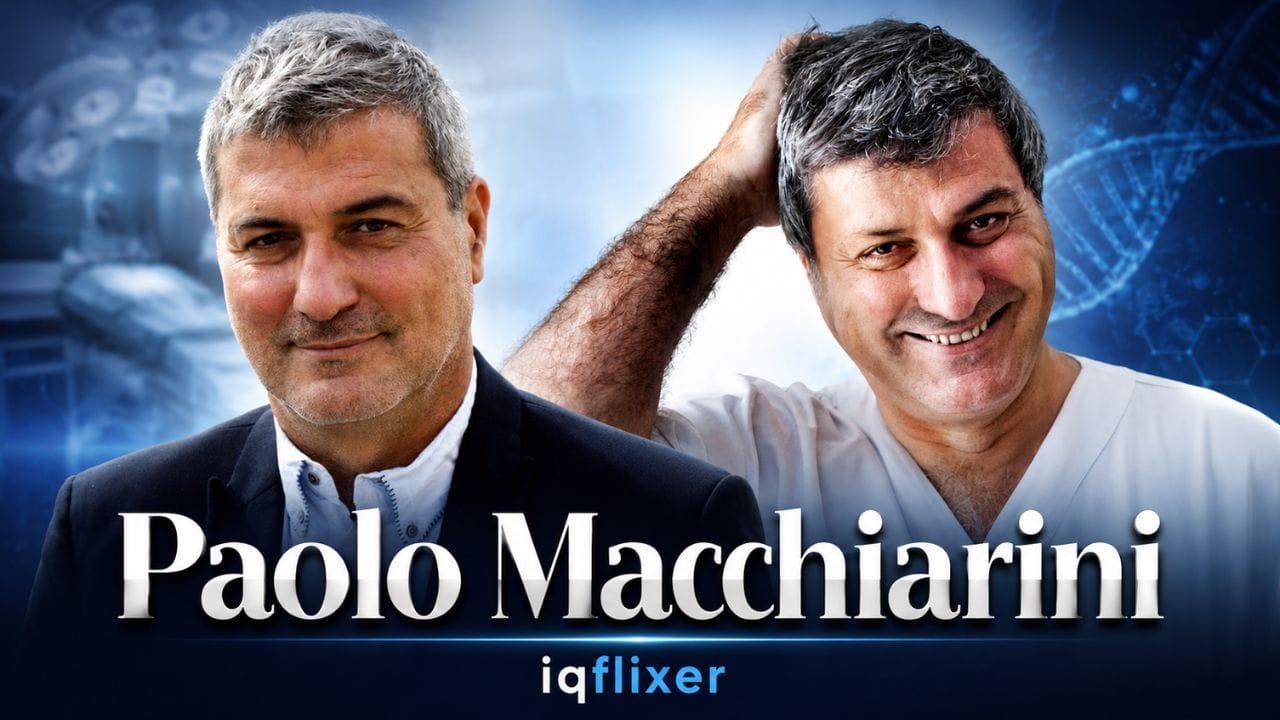
Paolo Macchiarini is one of the most discussed names in modern medical history. He was once presented as a surgeon connected with bold ideas in regenerative medicine, but his public image changed after serious concerns appeared around his artificial trachea transplant work.
His story now stands as a warning about medical responsibility, patient safety, scientific honesty, and institutional oversight. It shows how quickly medical hope can become dangerous when evidence and accountability are not strong enough.
Who Is Paolo Macchiarini?
Paolo Macchiarini is a Swiss-born Italian former thoracic surgeon and regenerative medicine researcher. He became widely known for synthetic trachea transplant procedures that were performed on patients with serious airway conditions and later became deeply controversial.
His name is now linked with failed experimental procedures, patient deaths, research misconduct concerns, and legal action in Sweden. Because of this, he is often discussed as a serious warning in modern medical ethics.
Early Life and Age
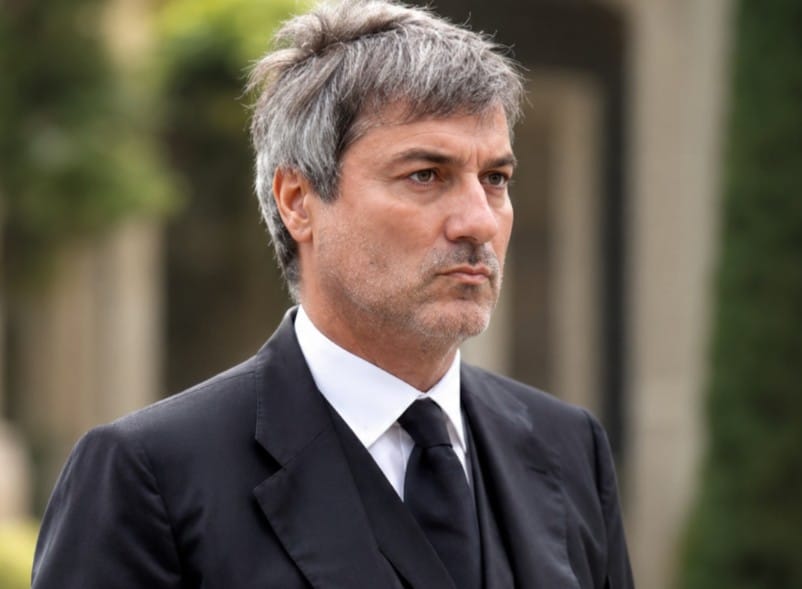
Paolo Macchiarini was born on August 22, 1958, in Basel, Switzerland. Based on this date, he is 67 years old in 2026. His public identity is mostly connected with his professional career rather than personal publicity or private family details.
Confirmed details about his early family background are limited. A responsible profile should avoid claims about siblings, lifestyle, or private matters that are not clearly supported by reliable public records.
Education and Medical Training
Paolo Macchiarini’s education is connected with the University of Pisa in Italy. Public records indicate that he studied medicine and later built his career in surgery, particularly thoracic surgery, which focuses on the chest, lungs, and airway.
His later work became connected with regenerative medicine, a field that studies how damaged tissues or organs may be repaired or replaced. His case shows why new medical methods need strict testing before use on patients.
Medical Career
Before the controversy became widely known, Paolo Macchiarini was presented by some as a surgeon working near the front line of medical innovation. His name became associated with artificial tracheal replacement and stem cell-based medical methods.
For patients with severe tracheal damage, the prospect of a replacement airway seemed promising. However, his later case showed that medical hope must always be supported by evidence, honest reporting, and patient protection.
Work at Karolinska
In 2010, Paolo Macchiarini was recruited by Karolinska Institutet as a visiting professor in regenerative medicine and stem cell biology. At the same time, he worked part-time as a consultant and surgeon at Karolinska University Hospital.
This position gave him a respected medical platform. Between 2011 and 2012, he performed synthetic trachea transplant operations at Karolinska University Hospital, and these operations later became central to investigations and legal action.
Artificial Trachea Transplants
The artificial trachea procedures were based on the idea of using synthetic windpipes coated with stem cells. The hope was that the patient’s body would accept the artificial structure and allow it to work as a living airway.
At first, the idea attracted attention because it sounded like a major step in regenerative medicine. Later, serious complications and patient deaths raised difficult questions about safety, approval, and reporting.
Medical Ethics Concerns
Medical ethics exists to protect patients from harm, especially when treatment is experimental. Doctors and researchers must explain risks clearly, avoid overstating success, and respect the trust that vulnerable patients place in them.
In the Paolo Macchiarini case, ethics became a central issue. Concerns were raised about whether the procedures provided sufficient evidence and whether the published results gave a complete picture of patient outcomes.
Investigations and Public Scrutiny
The case eventually moved from hospital corridors into public attention. Reports, investigations, and media coverage placed Paolo Macchiarini’s work under intense scrutiny, while Karolinska also faced criticism for its handling of the matter.
Official reviews highlighted serious problems in oversight, recruitment, and institutional response. The case showed that respected institutions still need strong systems, careful review, and honest accountability.
Court Case and Conviction
The legal outcome became a major part of Paolo Macchiarini’s public profile. In June 2023, a Swedish appeals court convicted him of gross assault connected to artificial trachea implants in three patients who later died.
He was sentenced to two and a half years in prison. The decision showed that the case was not only about failed procedures, but also about responsibility, risk, and serious harm to patients.
Paolo Macchiarini Today
The latest reliable public reporting linked Paolo Macchiarini to serving his prison sentence in Spain. Reports stated that he entered a Catalan prison in September 2024 after the Swedish sentence became final.
This current status should be described carefully because personal circumstances can change over time. The safest wording is that the latest public reports indicate he was in a Catalan prison while serving the sentence.
Public Image and Legacy
The public image of Paolo Macchiarini changed dramatically. He was once linked with medical promise, but his name later became a symbol of ethical failure, institutional weakness, and the dangers of unproven medical procedures.
His legacy is difficult because it includes real patients and families. The case changed how many people think about experimental medicine, patient trust, and the need for stronger medical oversight.
Why His Story Became a Warning
Paolo Macchiarini’s story serves as a warning, showing how dangerous medical ambition can be when it is not guided by evidence and ethics. A confident doctor and a respected institution are never enough on their own.
Patients need proof, safety, and honest communication. This case reminds readers that scientific progress is not only about being first, but also about being responsible for human lives.
Social Media Presence
Paolo Macchiarini does not have a widely confirmed official active social media presence that should be treated as reliable for public updates. Because of that, readers should be careful with accounts or pages that use his name.
Most reliable information about him comes from official institutional records, court reporting, and established news coverage. This matters because many online posts repeat claims without checking them.
Interesting Facts About Paolo Macchiarini
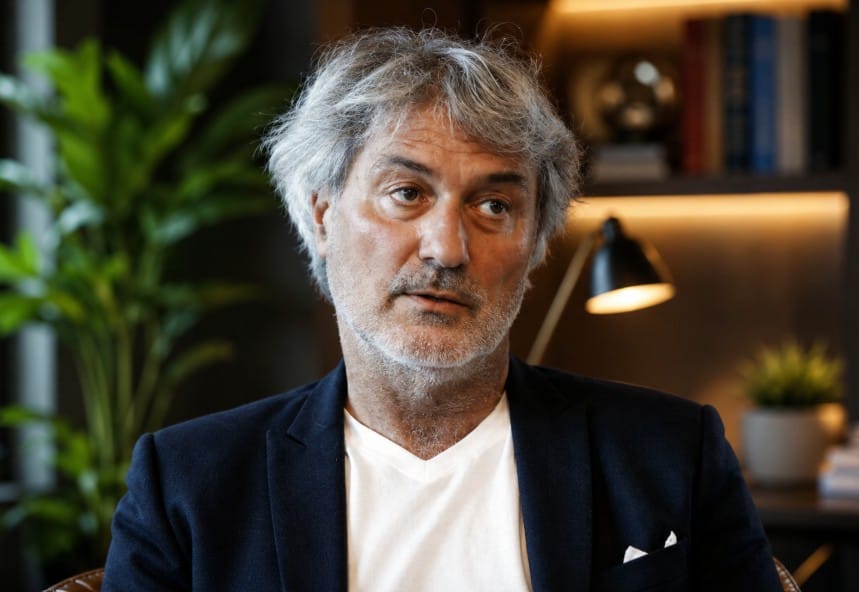
Paolo Macchiarini was once connected with high-profile regenerative medicine work before his reputation collapsed. He was recruited by Karolinska Institutet in 2010, and his synthetic-trachea procedures became one of the most-discussed medical ethics cases in recent years.
His case led to major criticism of institutional oversight and controls on medical research. His story is now often used as a warning about patient safety, research honesty, medical accountability, and the need to protect people before reputation.
Conclusion
Paolo Macchiarini remains one of the most serious and troubling figures in modern medical history. His story began with the promise of advanced surgery and regenerative medicine, but it became marked by patient suffering and criminal conviction.
The most important lesson from his case is that medicine must never place ambition above patient safety. True progress in medicine must always protect human life first, with evidence, ethics, and honesty guiding every step.
FAQs
Who is Paolo Macchiarini?
Paolo Macchiarini is a Swiss-born Italian former surgeon known for his controversial work on synthetic trachea transplants.
Why is Paolo Macchiarini controversial?
He became controversial because his experimental procedures raised serious concerns about patient safety and medical ethics.
What was Paolo Macchiarini convicted of?
In Sweden, he was convicted of gross assault linked to artificial tracheostomy implants performed on three patients.
Where is Paolo Macchiarini today?
Latest public reports placed him in a Catalan prison while serving the sentence connected to his Swedish conviction.
What is the main lesson from his story?
His story shows that medical innovation must always be guided by evidence, ethics, honesty, and patient protection.